

Understanding SSI Benefits for Children
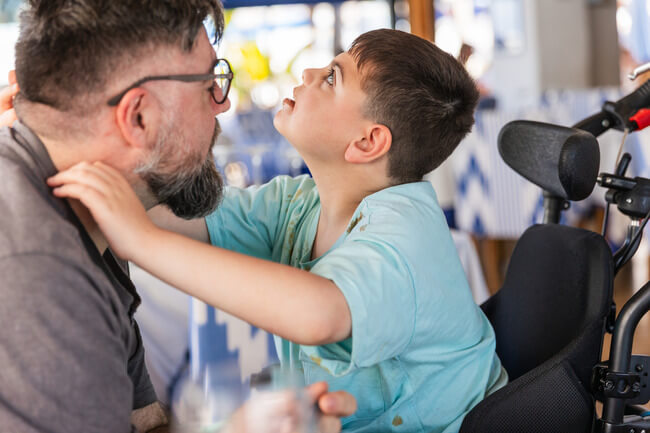
If your child has a disability that affects their daily life, you may be entitled to financial assistance through Supplemental Security Income (SSI).
Many parents don’t realize that Social Security disability benefits aren’t just for adults. Children with qualifying disabilities can receive SSI payments to help families manage the extra costs of care, treatment, and specialized support.
Here’s what you need to know about SSI for children in Philadelphia.
What Is SSI for Children?
Supplemental Security Income is a federal program that provides monthly cash assistance to children under 18 who have a physical or mental condition that causes “marked and severe functional limitations.”
This means the disability must seriously limit your child’s ability to function in age-appropriate ways, and it must be expected to last at least 12 months or result in death.
SSI isn’t based on your work history. It’s a needs-based program, which means your household income and resources are part of the eligibility equation.
Does My Child Qualify?
For a child to qualify for SSI, three things must be true:
The child must have a qualifying disability. Social Security maintains a list of conditions that automatically qualify, including cerebral palsy, Down syndrome, muscular dystrophy, and certain cancers. But even if your child’s condition isn’t on the list, they may still qualify if their symptoms meet Social Security’s functional criteria.
The disability must cause severe limitations. The condition must significantly affect your child’s ability to perform daily activities, learn, communicate, move, or interact with others in ways typical for their age.
Your family’s income and resources must fall within SSI limits. Social Security looks at your household income and assets. Not all income counts, and there are special rules for families with disabled children, but there are financial thresholds you must meet.
What Conditions Qualify?
A wide range of conditions can qualify for children’s SSI benefits, including:
- Autism spectrum disorders
- Intellectual disabilities
- ADHD (in severe cases)
- Cerebral palsy
- Cystic fibrosis
- Childhood cancers
- Severe asthma
- Epilepsy
- Congenital heart defects
- Blindness or visual impairments
- Hearing loss or deafness
- Developmental delays
The key isn’t just the diagnosis. It’s how the condition affects your child’s daily functioning.
How Much Can My Child Receive?
SSI payment amounts change each year based on cost-of-living adjustments. In 2026, the maximum federal SSI payment is $994 per month.
The actual amount your child receives depends on your household income. Social Security doesn’t count all income. They exclude certain amounts and apply special rules for families with disabled children. But higher household income generally means lower SSI payments.
Some families receive the full amount. Others receive a reduced benefit. And some families whose child has a qualifying disability may not qualify for SSI at all due to income limits.
The Application Process
Applying for SSI for your child involves detailed paperwork, medical documentation, and patience.
You’ll complete forms about your child’s condition, your household income, and your family’s living arrangements. Social Security will review your child’s medical records and may request additional evaluations.
Many initial applications are denied – not because the child doesn’t qualify, but because the application was incomplete or the medical evidence didn’t clearly demonstrate the severity of the limitations.
Why Work With a Social Security Disability Attorney?
An experienced attorney can help you navigate the SSI application process from the start, ensuring your child’s case is presented in the strongest possible way.
At Leventhal, Sutton & Gornstein, we’ve helped families throughout Bucks County and Pennsylvania secure SSI benefits for their children. We know what Social Security is looking for, how to gather the right medical evidence, and how to present your child’s case effectively.
If your initial application is denied, we can represent you through the appeals process. Many deserving children are approved on appeal after an initial denial.
Contact Leventhal, Sutton & Gornstein today for a free consultation. We serve families throughout Bucks County and all of Pennsylvania, and have been for over five decades. Let us help you get the benefits your child deserves.